
Bridging the Divide: How Technology is Revolutionizing Healthcare Access in Rural Ethiopia
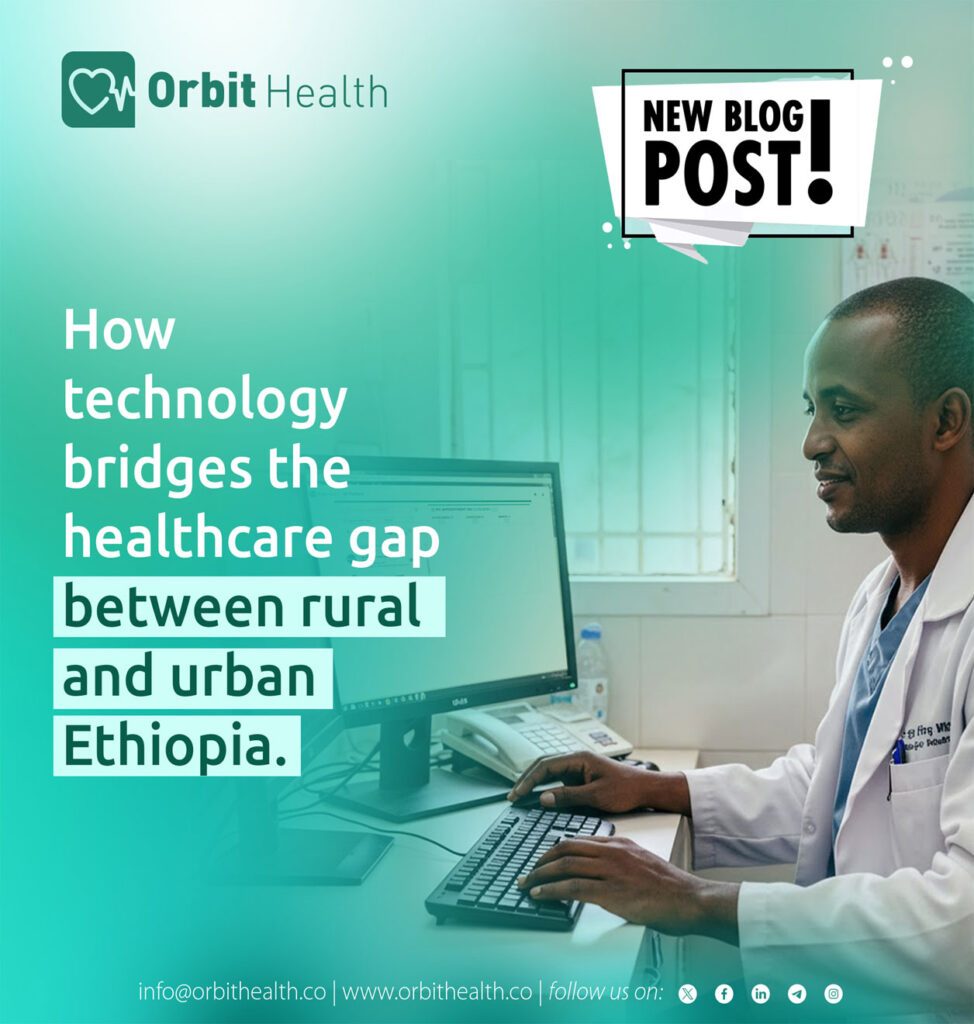
For decades, the map of Ethiopia’s healthcare access has been a tale of two realities. In urban centers like Addis Ababa, hospitals buzz with specialists and advanced equipment. Meanwhile, in vast rural regions home to the majority of the population, quality healthcare has often been a distant dream, separated by rugged terrain, a scarcity of doctors, and limited infrastructure.
This urban-rural health divide has had profound consequences. But today, a powerful force is beginning to redraw this map: digital technology. From smartphones to satellites, a wave of innovation is creating a new, more equitable healthcare landscape.
The Core of the Challenge
The gap is not just about distance. It’s a compound problem of:
Human Resources: A critical shortage of doctors and specialists in rural areas.
Infrastructure: Limited clinics, unreliable electricity, and poor road networks.
Information Silos: Paper-based records that can’t be easily shared or analyzed, leading to fragmented care.
How Technology is Building the Bridge
Telemedicine: Bringing the Doctor to the Patient
The most direct bridge is telemedicine. Using simple video conferencing on smartphones or laptops, health officers in remote clinics can now consult with specialists in Urban areas. This eliminates the need for costly and arduous journeys for patients who need expert opinions. A mother in a Somali village can have her child’s rash examined by a dermatologist hundreds of kilometers away, ensuring timely and accurate diagnosis.
Mobile Health (mHealth) for Proactive Care
Community Health Workers (CHWs), the backbone of rural primary care, are being empowered with mobile apps. These tools guide them through patient assessments, send reminders for prenatal checkups or vaccinations, and allow them to collect and transmit vital health data in real-time. This turns their phones into portable clinics, enabling proactive, data-driven community health outreach and epidemic surveillance.
Electronic Health Records (EHRs): Creating a Continuum of Care
Companies like Orbit Health are at the forefront of digitizing medical records. An EHR system means a patient’s health history is no longer locked in a single, paper file in a distant health post. When that patient is referred to a district hospital, and based on their willingness their records; allergies, medications, past treatments can be accessed instantly. This ensures continuity of care, reduces medical errors, and provides a comprehensive health picture that is crucial for effective treatment, no matter where care is received.
The Road Ahead: Challenges and Opportunities
The journey is not without its hurdles. Reliable internet connectivity, digital literacy, and sustainable funding are ongoing challenges. However, the progress is undeniable. The synergy between technology companies, government initiatives, and global health partners is creating a resilient ecosystem.
Crucially, homegrown Ethiopian tech companies are leading the charge. Their understanding of the local context, language, and specific challenges ensures that the solutions developed are not just imported, but are built for and by Ethiopians.
A Healthier, More Connected Future
Technology is not a silver bullet, but it is the most powerful lever we have to accelerate health equity. It is transforming isolation into connectivity and scarcity into access. By continuing to invest in and scale these digital solutions, Ethiopia is not just bridging a gap, it is building a unified, resilient, and patient-centered healthcare system for all its citizens, no matter their postcode.
The future of Ethiopian healthcare is digital, and it promises a nation where your location no longer determines your right to a healthy life.
A Healthy Society is a Productive Society!

